
Neuroscience for Architecture Behavioral Modeling, Sound, and AI in Architecture
Workshop Dates: 10/21
Online
Lecturers
Dr. Kristine Mun, Academy of Neuroscience for Architecture, LinkedIn
Dr. David Kirsh, University of California, San Diego (Cognitive Science), LinkedIn
Dr. Michela Turrin, TU Delft, LinkedIn
Technical Workshop Leaders
Dr. ArKar Hein, Columbia University (M.S. Neuroscience, M.Arch.), LinkedIn
Sofia Boarino, Researcher & Architect / Artist, LinkedIn
Antonia Sattler, LinkedIn
Feras Alsaggaf, Bart Mispelblom Beyer, Michaël Vrijhof
Technical Assistant
Vishwa Bhatt, Design Consultant & ACADIA Researcher: ASU MS Human Computer Interaction LinkedIn
Registration: Regular - $125, Student - $65
Registration
Workshop Description
This program brings together neuroscience, cognitive science, and computational design around a shared question: how do empirical findings on cognition and perception translate into methods that architecture can use? The workshop is comprised in 2 parts - 2 lectures and 3 practical workshops: the morning sessions are lectures presented by leading experts establishing some of the theoretical foundations in this field; the afternoon sessions are practical workshops from three distinct directions: agent-based modeling of spatial cognition, sound as an underexamined register of environmental perception, and AI-supported computational pipelines for capturing soft values in design. Each workshop track produces a short collective output, presented to the ACADIA conference at the end of the day. This workshop limits 75 people. The lecture portion will be attended by the entire group. For the workshop sessions, we will divide into 3 groups (25 people max). The workshops will be recorded so everyone will be able to view the workshops they could not attend. Please choose your workshop in the order of preference: Choice #1, #2 & #3
Learning Objectives
- Understand core empirical findings in distributed cognition, spatial navigation, and hippocampal function, and their relevance to architectural design
- Identify the current gap between computational performance modeling and the soft, experiential dimensions of architecture
- Translate cognitive and neuroscience findings into explicit, documented computational parameters through agent-based models and AI-supported pipelines
- Critically evaluate what computational models of human experience can and cannot legitimately claim to predict
- Explore sound and listening as design-relevant registers of environmental and perceptual information
- Build cross-disciplinary working relationships between the ANFA and ACADIA communities, toward future collaborative research
This workshop is limited to 75 people. The lecture portion will be attended by the entire group. For the workshop sessions, participants will divide into 3 groups (25 people max). The workshops will be recorded so everyone will be able to view the sessions they could not attend. Each participant attends one workshop track, and the workshop leaders will contact registered attendees with more information about track selection.
3 Workshop Descriptions
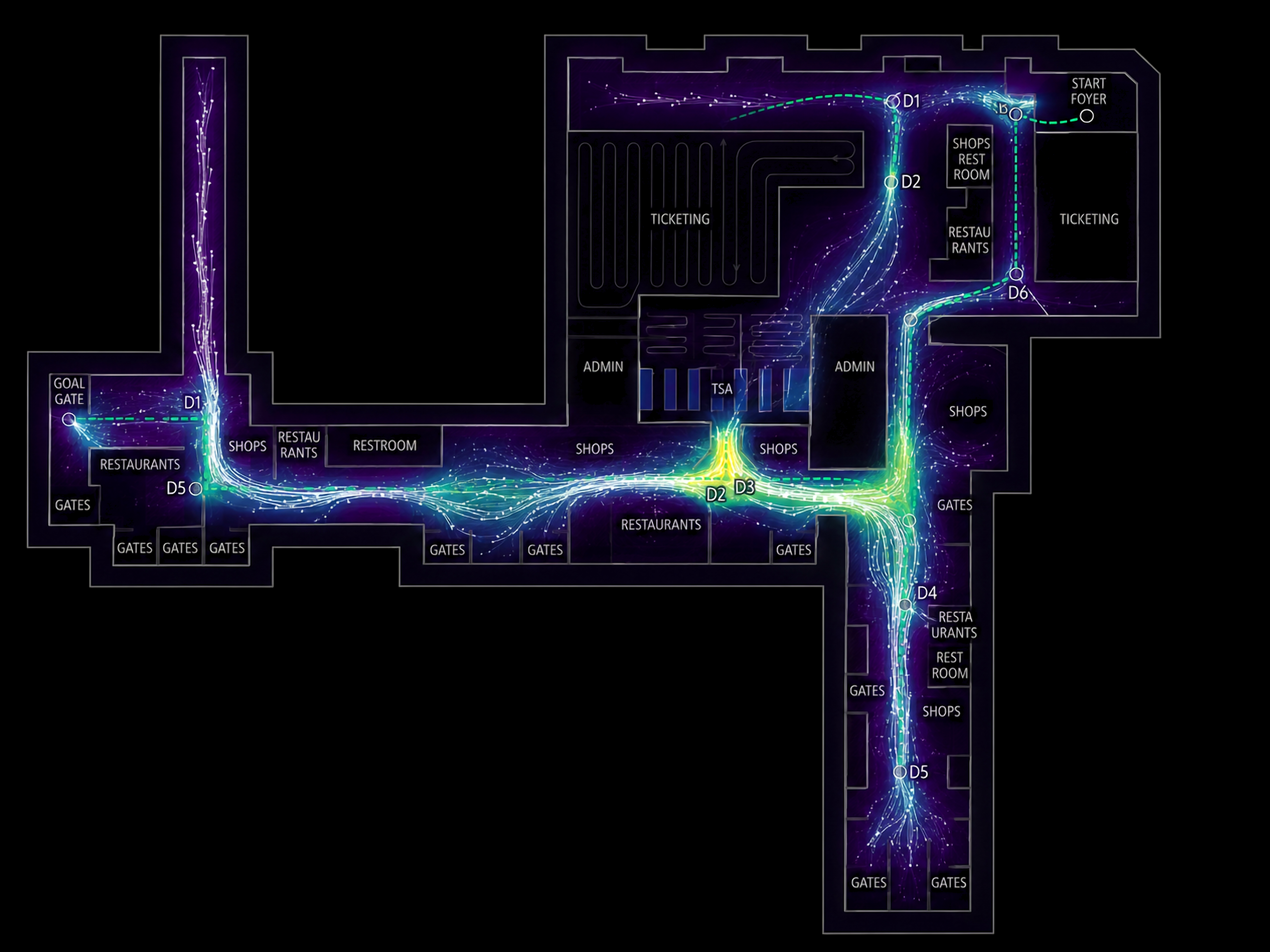
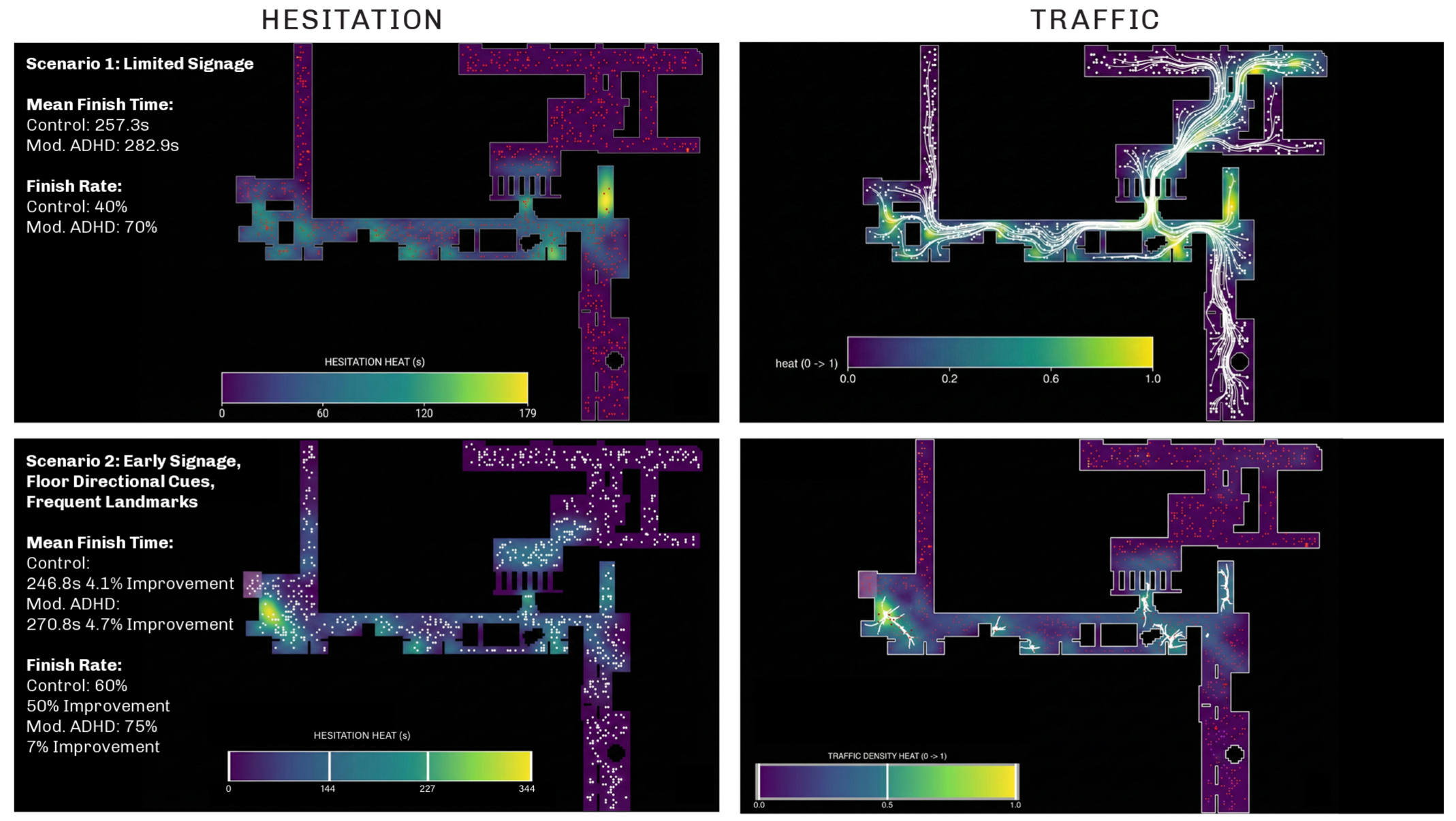
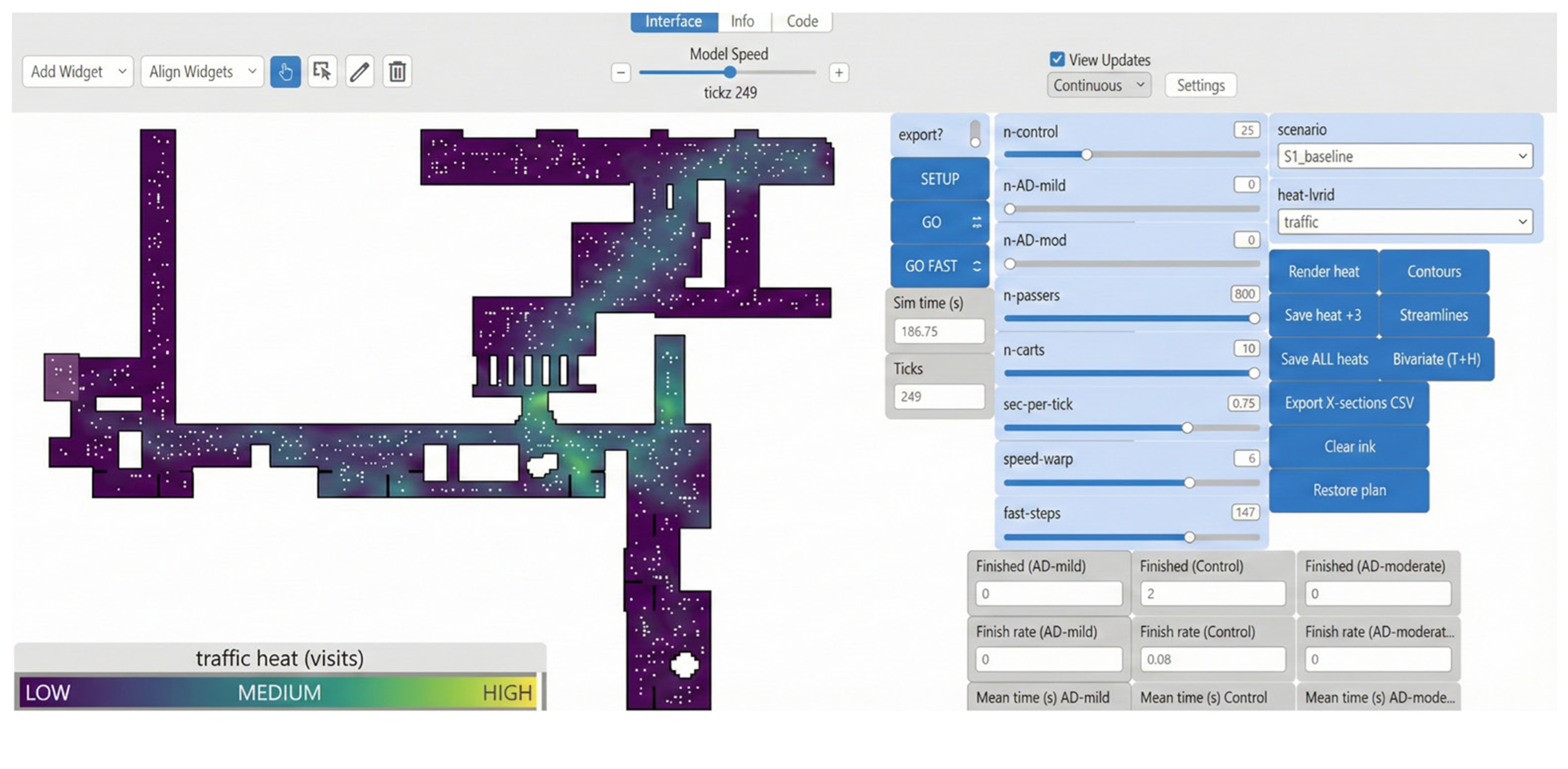
Workshop 1 (ArKar Hein): Operationalizing Spatial Cognition in Architecture using Agent Based Modeling This workshop addresses how empirical findings on spatial cognition and architectural experience translate into design-relevant computational methods. The central question: how do findings on spatial cognition translate into design methods that engage with how the brain processes space? Participants learn to construct an answer the way researchers actually have to: mapping adjacent literatures, declaring assumptions, encoding those assumptions as model parameters, and reading model outputs as conditional predictions rather than findings. Topics covered: The translation problem — from rating-based and behavioral evidence to ABM parameters; working memory and route persistence; attention and landmark salience; arousal and decision noise; individual differences in spatial cognition (sense of direction, mental rotation, spatial working memory capacity); empirical aesthetics findings on architectural environment; the methodological gap between rating and behavior; inference under absence of direct evidence; parameter design from cognitive mechanism; hypothesis articulation and limit declaration.
Workshop 2 (Sofia Boarino): Sound as a Design Driver: Towards Bio-Informed and Perceptually Attuned Environments This workshop explores the role of sound as a tool for understanding, interpreting, and designing relationships between people, environments, and living systems. Drawing from architecture, sound studies, ecology, and neuroscience, it investigates how sonic and other invisible phenomena shape our relationship with space, perception, and the environment, and how they may inform new approaches to design beyond conventional form-making. Through lectures, discussion, and collaborative exercises, participants explore how listening can reveal hidden environmental dynamics and inspire alternative design methodologies. The workshop opens new questions around sound, perception, bio-informed design, and the future relationship between computational tools, environmental awareness, and spatial practice — examining how invisible phenomena and processes can become meaningful drivers of design inquiry and spatial imagination beyond form.
Workshop 3 (Dr. Michela Turrin & Antonia Sattler with Feras Alsaggaf (PhD candidate), Bart Mispelblom Beyer (Tangram) and Michaël Vrijhof (New Earth ONE ): More Than Performance — AI, Architecture, and Human Experience In computational design, there is currently a gap between advanced computational support for engineering building performance and the lack of comparable computational support for the soft values of architecture. This workshop addresses — through debate and a hands-on example — how novel computational techniques offer an unprecedented opportunity to close this gap, by integrating the human factor into computational methods, including social, cultural, and emotional dimensions of architecture. The workshop is structured in three parts with 1) a short introduction grounded in discussion with practitioners on how the intersection of architecture and neuroscience is discussed through a proposed framework and architectural case studies; 2) hands-on experience with a simple computational workflow that captures a soft value in relation to design scenarios, using an AI-powered pipeline to inform design-relevant assessments, and 3) the group returns to the framework and initial case studies to critically reflect on opportunities, challenges, and future directions in relation to AI.
Workshop Schedule
Day 1 – Visual Canvas and Workflows
Time: 9:30am - 3:30pm EDT
2 hrs. - Lecture
- Kris Mun — Intro (10 min)
- David Kirsh, UCSD — AI & Distributed Cognition (40 min)
- Michela Turrin, TU Delft — AI and the Intangible Side of Architecture (40 min)
- Q&A (15 min)
15 min break
4 hrs. - Workshop Session (3 parallel groups)
- ArKar Hein — Operationalizing Spatial Cognition in Architecture: Computational Spatial Behavior Modeling
- Sofia Boarino — Sound as a Design Driver: Towards Bio-Informed and Perceptually Attuned Environments
- Michela Turrin, Antonia Sattler & team — More Than Performance: AI, Architecture, and Human Experience
Each workshop concludes with a short collective output prepared for final presentation.
5:00pm EST: Final Presentations to ACADIA
Total Workshop Time: ~8 hours
Participant Information
- Audience: Students, researchers, and professionals in architecture, design, and AI
- Skill Level: Intermediate. Prior knowledge of Rhino/Grasshopper is helpful but not required
- Group Size: ~75 participants
- Hardware: laptop capable of running Rhino 7 or Rhino 8 with Grasshopper, NetLogo 6.4.0
Workshop Gallery
Refund and Change Policy
Important: Refund and change requests will not be accepted beyond Monday, October 5th.