
Neuro-Ornament: Generative Facades and Neurophysiological Feedback in Computational Design
Workshop Dates: 10/19 - 10/21
Location: LTU, Southfield Address: 21000 West 10 Mile Road, Southfield, MI 48075
Workshop Team
Ali Ghomi, Yoana Taseva, Jon Bailey, HKS LINE
James Rounds, Upali Nanda, HKS
Registration: Regular - $325, Student - $165
Registration
Workshop Description
Architecture is experienced through continuous interactions between spatial form, sensory perception, and the nervous system. Emerging research in neuroarchitecture suggests that characteristics of the built environment, including geometric complexity, hierarchy, scale, repetition, and visual organization, can influence attention, cognitive processing, and physiological response. This creates an opportunity to reconsider architectural geometry not only as a formal or aesthetic construct, but as information perceived and processed by the human nervous system.
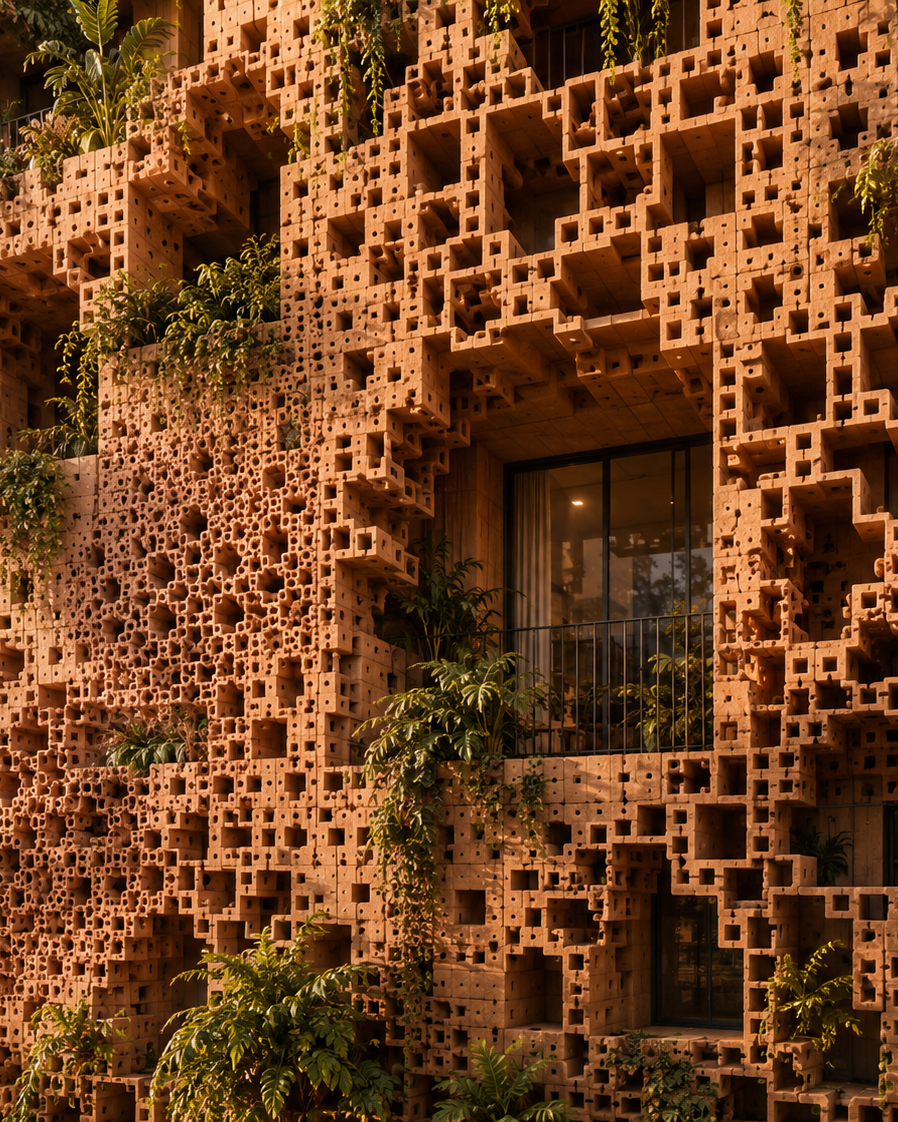
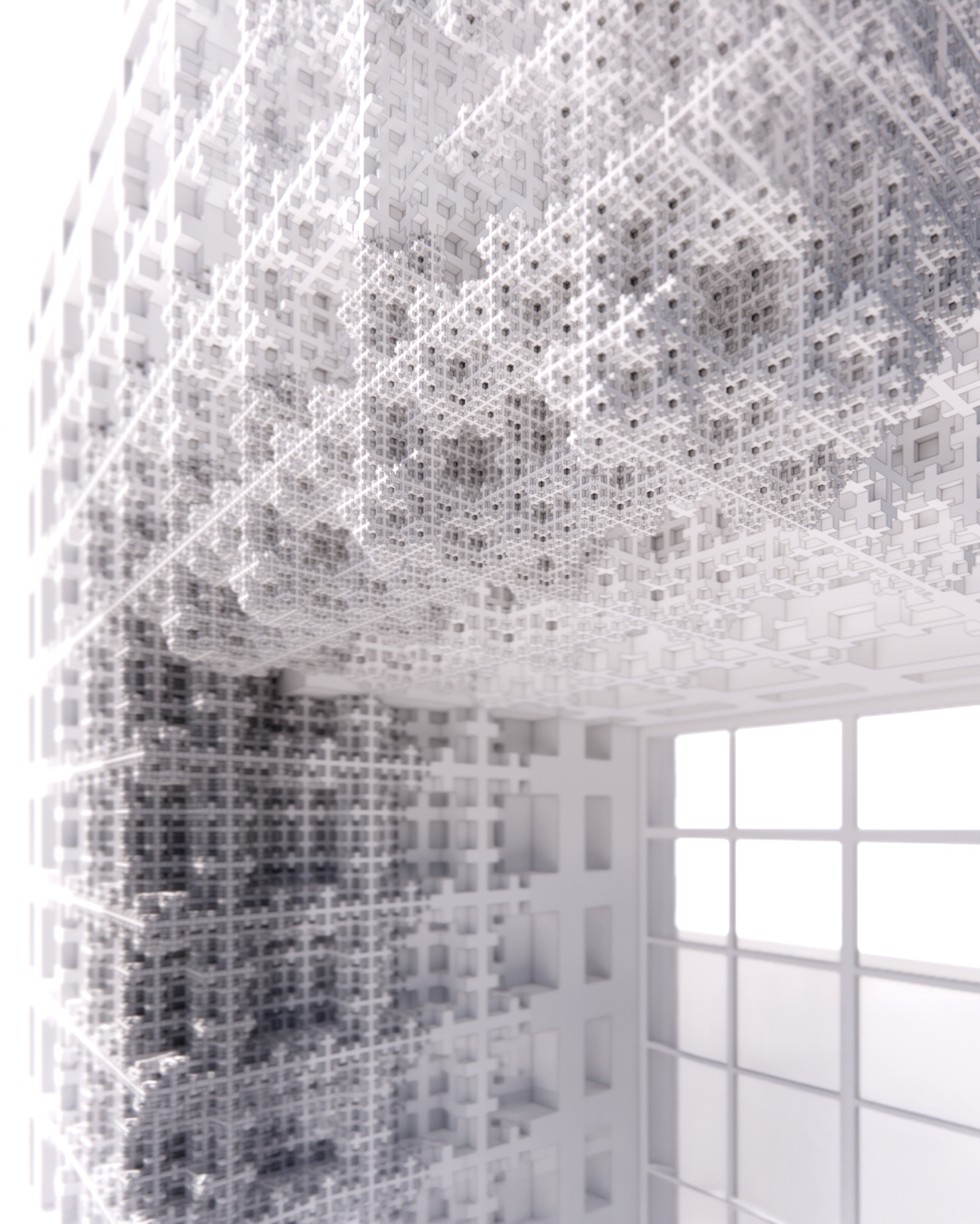
This workshop investigates how neurophysiological feedback can inform the generation of architectural form through a computational design workflow. Participants will develop a voxelized facade system, defining the geometric rules, aggregation logic, and computational behaviors that govern its formation. The workshop explores the voxel framework as a design variable, allowing participants to explore how local geometric decisions produce emergent architectural effects across multiple scales.
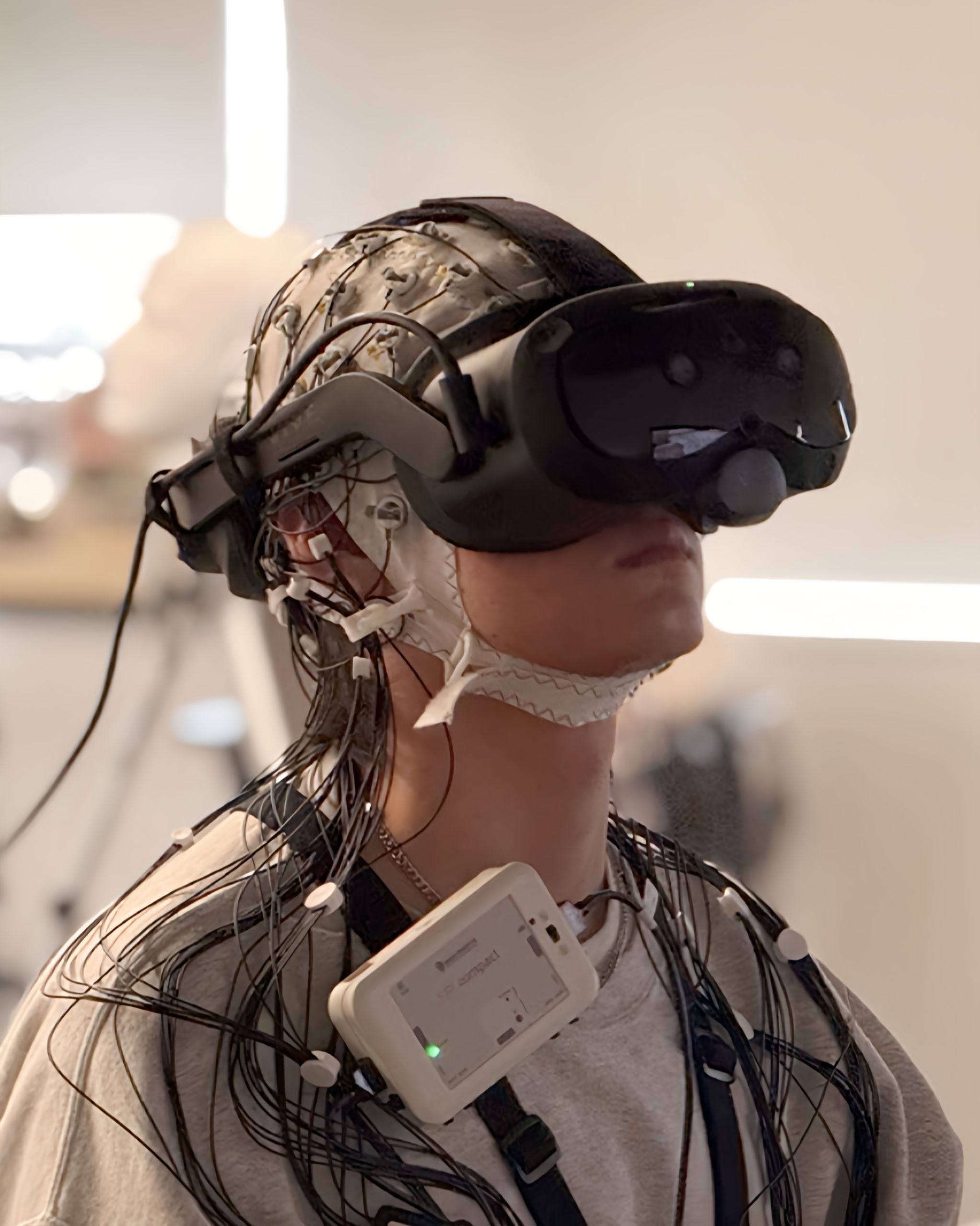
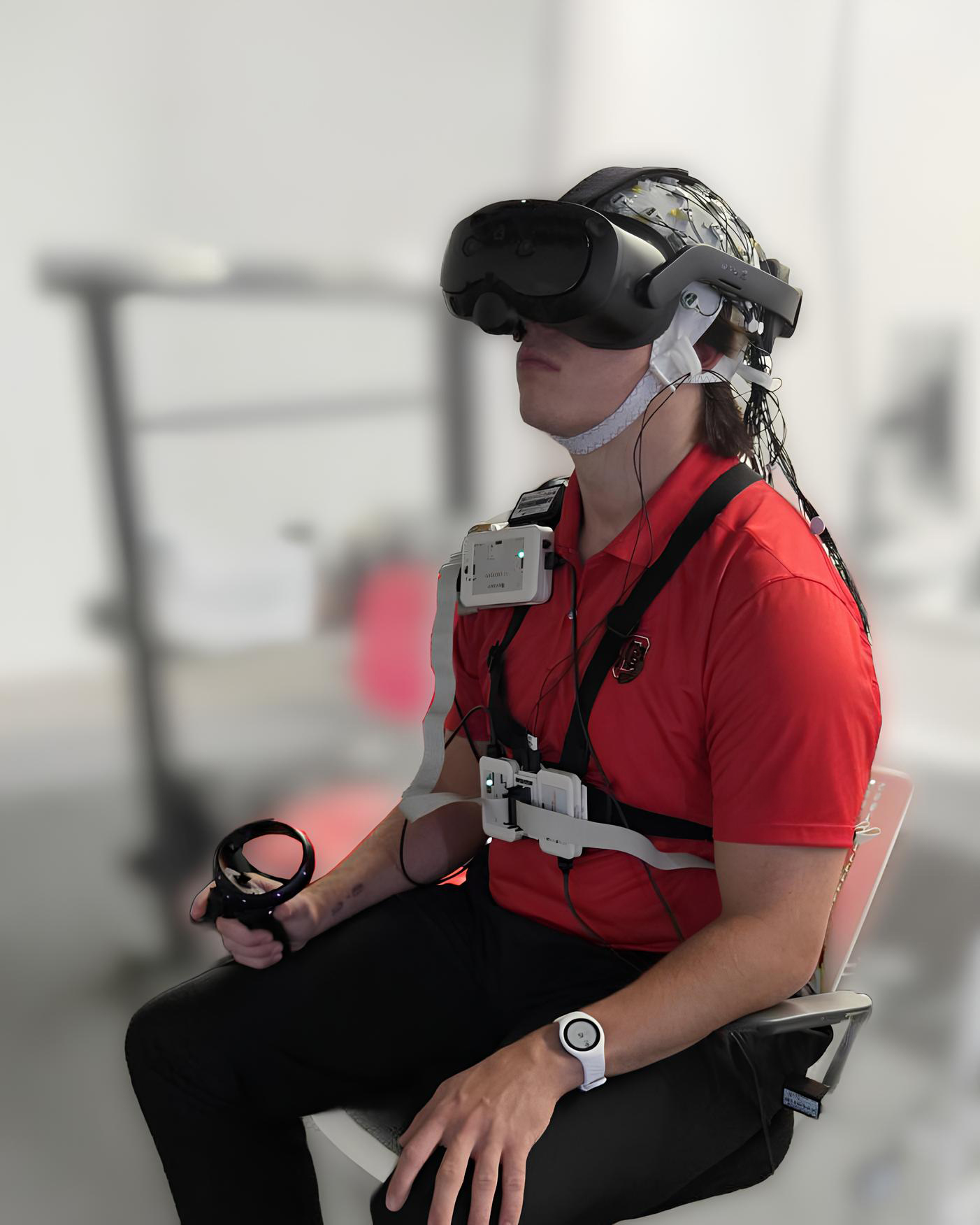
Using algorithmic design tools, participants will generate families of geometric modules that vary in complexity, hierarchy, repetition, and organization. These modules will be deployed within immersive virtual environments. Participants will experience and evaluate these environments using EEG-based sensing to investigate how different geometric conditions influence attention, cognitive load, and perceptual engagement.
The workshop positions neurophysiological response not as a post-occupancy evaluation metric, but as a potential generative input within the design process. By linking computational rulemaking, immersive simulation, and human-centered measurement, the workshop explores how future design systems might incorporate perceptual feedback into the creation and evolution of architectural ornament and facade assemblies. This workshop builds on the work started at the NeuroSpatial Lab at HKS, funded by the Pedersen Foundation.
Participants will learn: • Principles of neurospatial design and their relationship to architectural geometry, hierarchy, complexity, and perception. • How theories of hierarchical organization and organized complexity can be translated into computational design rules. • Methods for constructing parametric, voxel-based facade systems. • How local geometric rules can produce coherent architectural effects across multiple nested scales. • Methods for developing and comparing families of computational facade variations • How immersive environments and neurophysiological sensing can be used to explore relationships between architectural geometry and perceptual response.
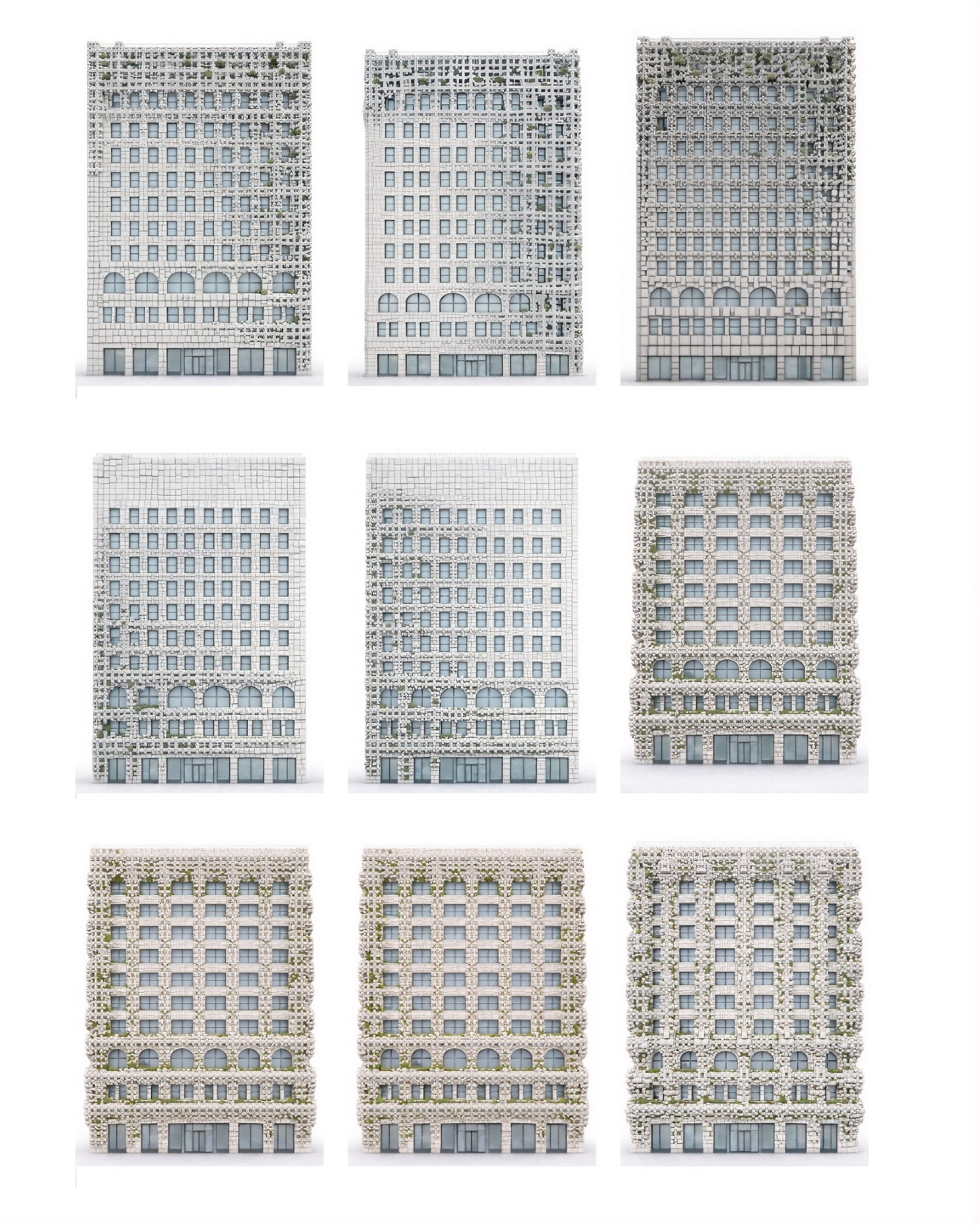
By the end of the workshop, participants will produce: • A parametric facade-generation workflow translating architectural and neurospatial principles into computational rules. • A family of voxel modules and aggregation rules demonstrating controlled variation in hierarchy, scale, porosity, depth, recursion, and repetition. • A series of generated facade studies exploring gradients of organized geometric complexity. • An immersive representation of selected facade conditions for experiential evaluation.
Workshop Schedule
Day 1
Time: 10:00 am – 5:00 pm (w/ 1-hour break)
Morning
- Introduction to NeuroSpatial Design
Afternoon
- Introduction to algorithmic facade design
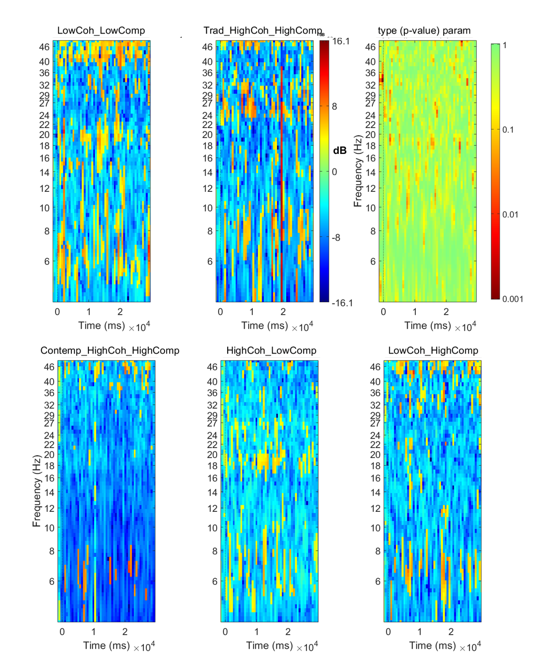
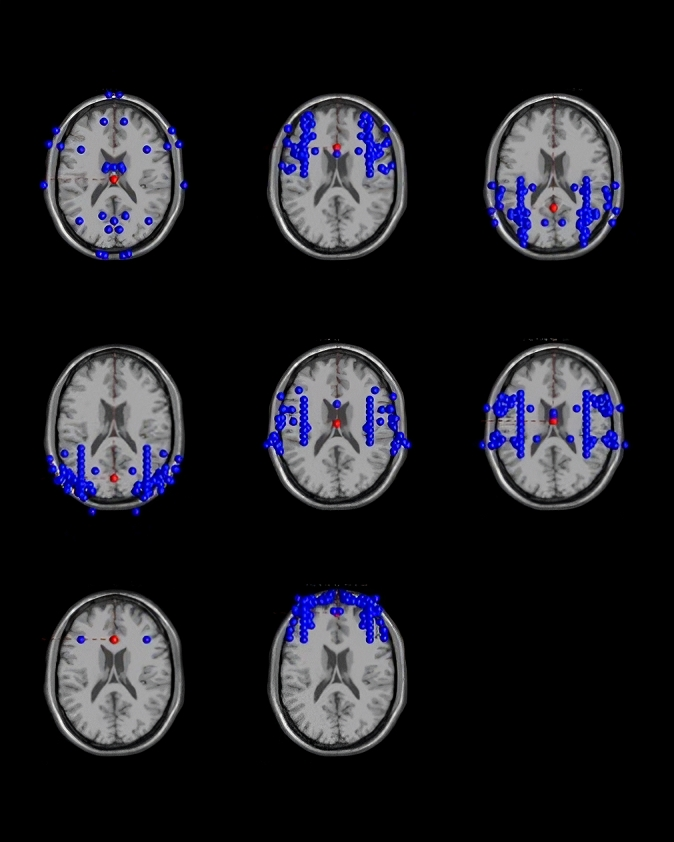
- Introduction to neurophysiology, EEG and other measures
- Hands-on experimentation with EEG headset
- Generating hypotheses about the effect of facades on neural measures
Day 2
Time: 10:00 am – 5:00 pm (w/ 1-hour break)
Morning
- Algorithmic facade modeling (subdivision and tiling techniques) using Rhino3d, Grasshopper as well as custom scripting
- Designing façade grids
- Designing 3d façade tiles
Afternoon
- Algorithmic façade design based on “Complexity” and “Coherence” factors
- Importing generated facades to VR environment
Day 3
Time: 10:00 am – 5:00 pm (w/ 1-hour break)
- Capturing neurophysiological reactions to the generated facades using EEG setup, comparing with hypothesized effects from Day 01
- Recap and documentation
Total Workshop Time: 18~20 hours over 3 days
Participant Information
- Audience: Students, researchers, and professionals in the design space.
- Skill Level: Beginner to Intermediate. Prior knowledge of Rhino 8 and Grasshopper is helpful but not required.
- Group Size: ~10 participants
- Hardware: laptop capable of running Rhino 8 (EEG and VR set up will be provided by the organizers)
- Software: Rhino 8
Workshop Gallery
Refund and Change Policy
Important: Refund and change requests will not be accepted beyond Monday, October 5th.