
Soft–Hard Programmable Furniture: Gradient Multi-Material 3D Printing between Comfort, Structure, and Domestic Use

Soft–Hard Programmable Furniture: Gradient Multi-Material 3D Printing between Comfort, Structure, and Domestic Use
Workshop Registration opens August 21st, 2026!
Workshop Dates: 10/19 - 10/21
Refund and Change Policy
Important: Refund and change requests will not be accepted beyond Monday, October 5th.
Location : LTU, Southfield
Workshop Team
Teng Teng, Lawrence Technological University
Yefan Zhi, University of Pennsylvania
Workshop Description
This workshop investigates soft–hard programmable furniture through gradient multi-material 3D printing. Instead of treating structure and comfort as separate components—rigid frames, cushions, upholstery, pads, or protective edges—the workshop explores how these conditions can be continuously programmed within a single printed furniture system.
Participants will examine furniture as a material transition between body contact, structural support, and domestic use. Through stools, low seats, benches, side tables, flexible edges, and backrests, they will map where furniture needs to be stiff, soft, compressible, protective, or tactile. These requirements will be translated into gradient material zones using prepared Rhino/Grasshopper templates that control geometry, rib density, surface texture, infill strategy, and material recipes.
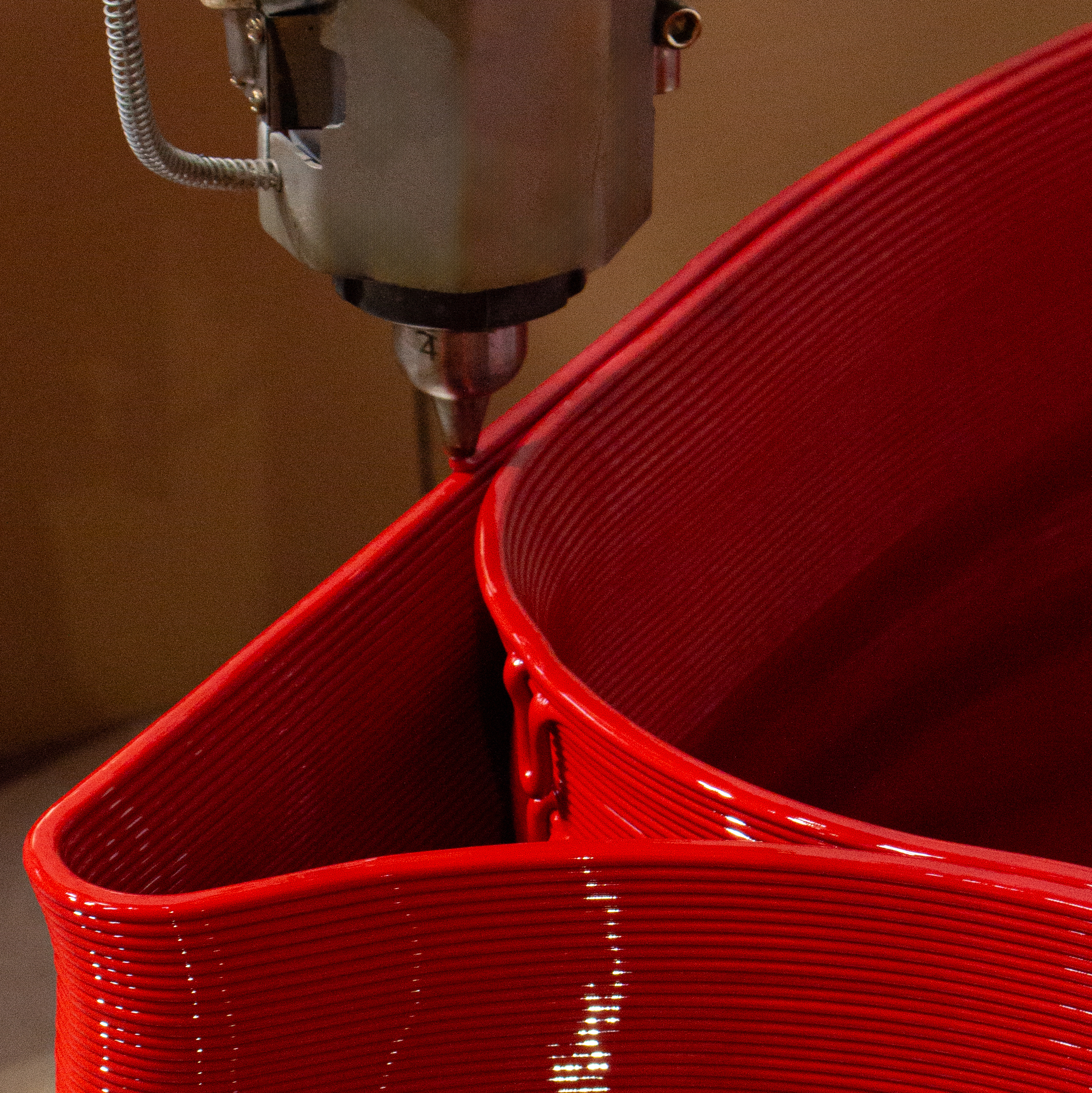
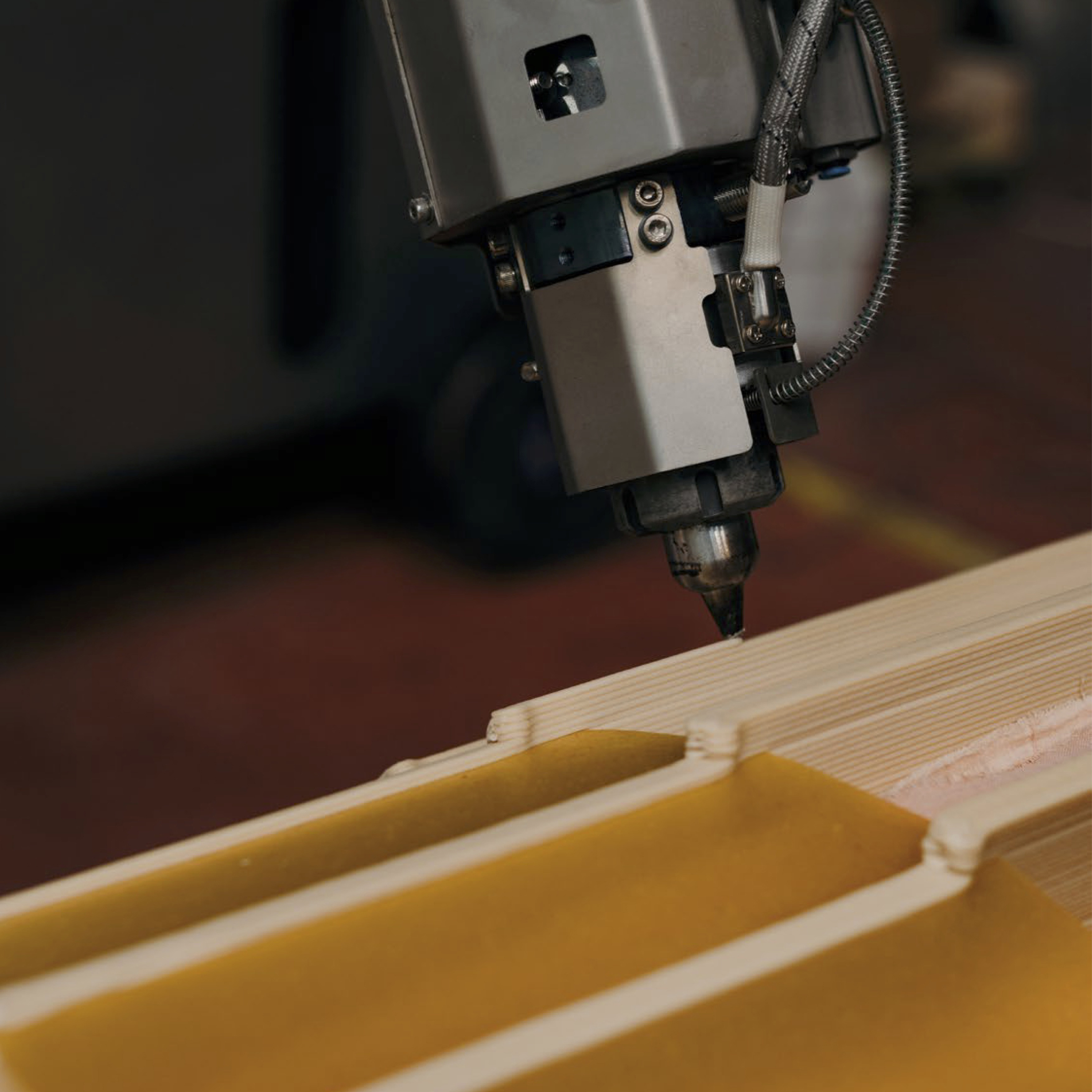
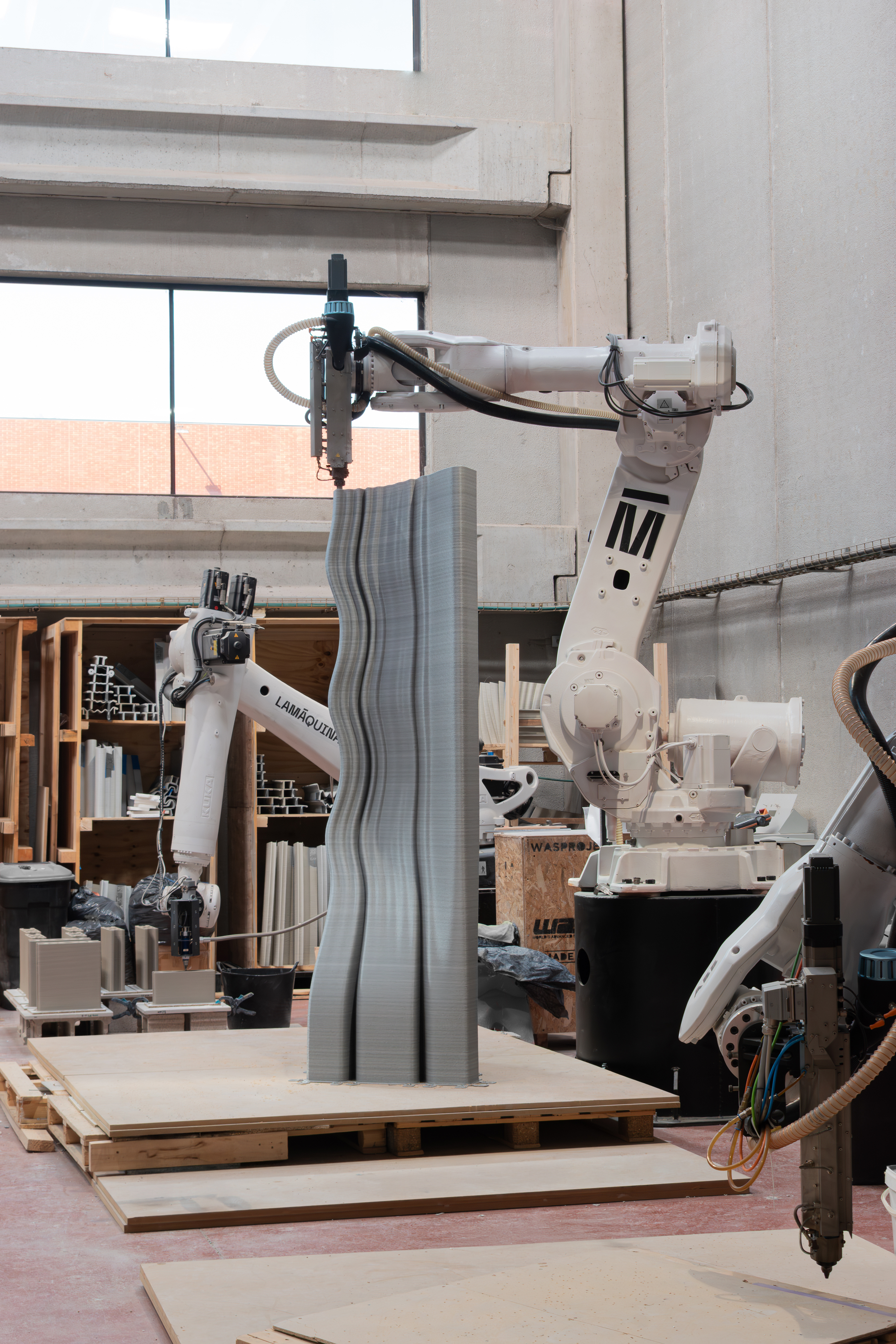
Fabrication will be supported by two instructor-provided custom multi-material 3D printers. A compact printer with an approximately 30 cm × 30 cm build area will be used for rapid material samples, gradient studies, detail tests, and small-scale furniture models. A larger printer with an approximately 1 m × 1 m build area will be used to fabricate full-scale furniture components and usable prototypes. This two-machine setup allows participants to move efficiently from small tests to furniture-scale applications within the three-day workshop.
Expected outcomes include a soft–hard material sample atlas, small-scale furniture studies, full-scale printed components, and one or more exhibition-ready usable furniture prototypes. Through physical testing—sitting, leaning, pressing, bending, and touching—participants will evaluate how gradient material transitions can create integrated cushioning, structural continuity, soft edges, tactile surfaces, and new aesthetic possibilities for furniture design.
Workshop Schedule
Day 1 – Soft–Hard Furniture Mapping and Small-Scale Tests
Time: 10:00 am – 5:00 pm (w/ 1-hour break) The workshop begins with an introduction to soft–hard programmable furniture, gradient multi-material printing, safety procedures, and the two-machine fabrication setup. Participants will analyze furniture through body contact, structural support, compression, edge protection, and tactile use. Using prepared Rhino/Grasshopper templates, teams will map soft and hard zones for stools, low seats, benches, side tables, backrests, or flexible edge systems.
The 30 cm × 30 cm custom printer will be used for rapid gradient samples, material tests, surface texture studies, and small-scale furniture models. By the end of Day 1, each team will have a clear furniture concept, a soft–hard material map, and printed test samples.
Day 2 – Design Refinement and Full-Scale Printing
Time: 10:00 am – 5:00 pm (w/ 1-hour break) Teams will review the Day 1 samples and finalize geometry, material recipes, infill logic, rib density, and surface texture. The small printer will continue to support quick iterations, connection details, and scaled models.
The 1 m × 1 m custom printer will be used to fabricate full-scale furniture components or usable prototypes. While full-scale prints are running, participants will document the process, adjust parameters, prepare assembly details, and evaluate printed samples. By the end of Day 2, teams should complete major full-scale printed parts or a near-complete furniture prototype.
Day 3 – Final Prints, Testing, and Exhibition
Time: 10:00 am – 5:00 pm (w/ 1-hour break) The final day focuses on finishing, assembly, physical testing, and exhibition preparation. Teams will complete remaining prints, trim and assemble components, and test the furniture through sitting, leaning, pressing, bending, touching, and edge-contact scenarios.
Participants will prepare a final presentation showing their material-gradient logic, printed samples, toolpath strategy, fabrication process, and observed soft–hard behavior. The workshop concludes with an exhibition of the material sample atlas, small-scale studies, full-scale components, and one or more usable furniture prototypes.
Total Workshop Time: 18~20 hours over 3 days
Participant Information
- Audience: Students, researchers, and professionals in architecture, design, and digital fabrication
- Skill Level: Intermediate. Prior knowledge of Rhino/Grasshopper is helpful but not required
- Group Size: ~15 participants
- Hardware: laptop capable of running Rhino 7 or Rhino 8 with Grasshopper
.jpg "01_Facility_picture (1)")